
What we know
We base our support on many years’ successful leadership and through extensive research to best meet your needs.
What We Know
Our experience and knowledge reinforces that school excellence is more than just a label; it reflects the quality of successful learning, and the ability of all school members to:
- Embrace the discomfort of challenging learning and conceptual stretch,
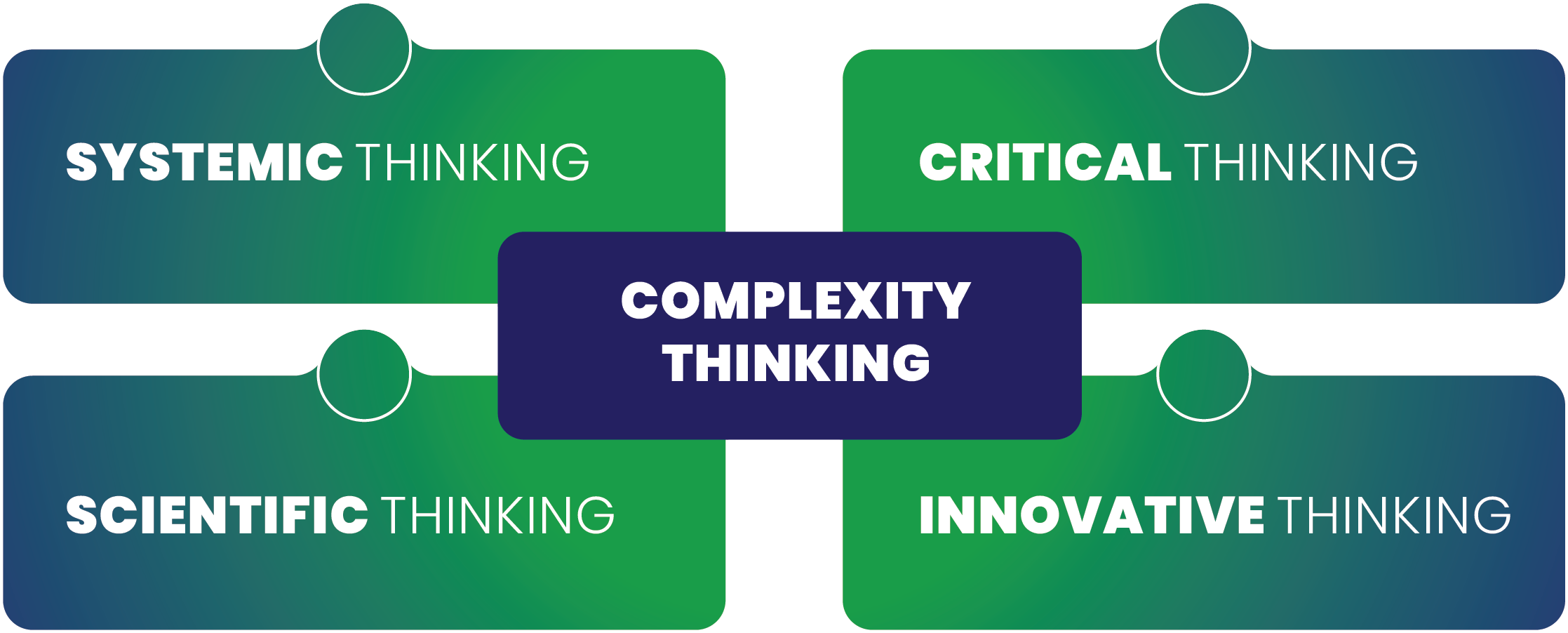
- Use “complexity thinking” to look deeply into contexts and apply innovative approaches,
- Describe what quality looks like in their endeavours, gauge their progress and be open to feedback.
We passionately believe that any school can achieve this level of excellence, irrespective of their context or the system within which they operate. It just takes time, the correct advice and support, and the right leadership approach from everybody!

At the heart of high quality school leadership is the desire to maximise the success of all learners and ensure they thrive within a zone of learning excellence.
Our knowledge and research tells us that learners are at their most powerful when they are most:
- Confident – embracing the discomfort of challenging learning and conceptual stretch,
- Agile – using “complexity thinking” to look deeply into into contexts and apply innovative approaches in response, and
- Reflective – knowing what quality looks like in their learning endeavours, gauging their progress and being open to feedback.
When learners are supported to be most confident, agile and reflective then we know that they are thriving with their “excellent zone”. Thus, teachers who can create the classroom environment that fosters learning within the “excellent zone” will have the greatest impact on the learning trajectory of their students. By extension, such teachers thrive in an environment where all members are successful learners!

Years of whole school leadership and deep research tell us that to arrive at that level of excellence requires attention in seven key areas.
Having the right leadership approach at the right time means that leaders have a clear focus on enhancing those seven areas of school change with the greatest leverage for improvement. Our Excellent Schools Quality Framework allows leaders to best understand the quality standards tied to each lever, the interconnected importance of the high leverage areas, as well as how to employ the cohesive change strategies that will realise the greatest improvement. These areas are:

Governance, Anchor Documents and Sustainable Directions
The means by which to ensure that the vision, values and purpose of the school are clear to all, are well documented and highly visible, and are well enacted through robust governance processes.

Strategic Learning Improvement Plans and Cycles

Leadership and Professional Culture

Data Driven Decision-making for Improvement

Curriculum and Assessment Design

Student Support, Engagement and Agency

Performance Development and Professional Growth
Educating for Complexity
Educating for Complexity prioritises moving beyond traditional competence based education and teaching. In today’s complex world, knowing that all schools have specific contextual issues, we must focus on capabilities, which include the ability to research, interpret data, generate new ideas, adapt to changing landscapes and continuously improve performance. This can be achieved through exposure to unfamiliar contexts, and using non-linear strategic methods such as innovations generation, complex thinking and problem solving.
Using these skills and capabilities means that learners are able to have a deep appreciation of the global, national or local contexts in which their learning is situated. At the same time, they are well equipped to consider a range of innovative responses to challenges and opportunities that arise, often in unfamiliar contexts. For learners, such agility is crucial to their success in an increasingly complex world.
Teachers are therefore challenged to enable such new capabilities within their classrooms and scaffold a range of authentic learning opportunities for the ongoing development of their learners. In turn, school leaders must build a collaborative culture with associated professional learning processes so that teachers can feel confident in their ability to create such agile learning environments.
In today’s complex world, we must lead and educate by frequently adapting to ‘what is new’, change and embracing unfamiliar contexts, in turn generating new learning, knowledge and skills.
Hover over the icons to to find out the key questions!
Systemic
Scientific
What might have changed and now needs to be explored?
Critical
What am I not seeing and is specific to our local context?